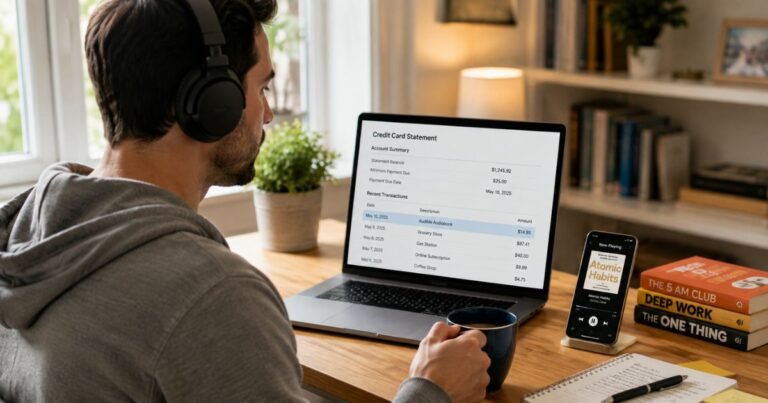
SQ Charge on Credit Card [Identified]


Spotting an SQ charge on credit card can feel confusing if the name does not match a store you remember. Unfamiliar charges are often legitimate and come from everyday purchases.
This guide explains what the charge typically means, how to identify the business behind it, and the practical steps you can take.
What Is the SQ Charge on Credit Card?
The SQ charge on credit card almost always means the payment was processed through Square. Square is a widely used payment processor owned by Block, Inc.
Many small and mid-sized businesses use Square’s card readers, terminals, online checkout, or invoices to accept credit and debit cards.
On your statement the charge typically appears as “SQ *” followed by a shortened business name. Banks limit the number of characters shown, so the full store name may get cut off.
Common formats include SQ *COFFEE SHOP, SQ *BAKERY, GOSQ.COM, or SQ *CASH APP.
The text after “SQ *” is usually the merchant you paid. Square itself is only the processor that handled the transaction.
Why You Might See This Charge
You most often see an SQ charge after paying at a small or independent business. Coffee shops, food trucks, farmers markets, salons, barbershops, boutiques, and mobile vendors frequently use Square readers.
Online purchases or invoices sent through Square can also create the same descriptor. In some cases a Cash App transaction (also under Block, Inc.) may appear with an SQ or SQC prefix.
These charges are usually one-time purchases rather than recurring subscriptions. The unfamiliar look of the descriptor is the main reason people notice them.
How to Verify the Charge
Look at the full text after “SQ *” on your statement. That name is the best clue to the actual business. Think back to places you visited or ordered from around the transaction date.
Search your email and text messages for a Square receipt. Many merchants send digital receipts automatically if you provided an email or phone number at checkout.
Use Square’s free public receipt lookup tool. Go to squareup.com/receipts (or squareup.com/receipt).
Enter the last four digits of the card, the approximate date, and the exact amount. The tool can pull up the merchant details and receipt even if you never received one by email.
Compare the information with your own records. Most SQ charges match a real purchase once the merchant name is clear.
How to Contact the Merchant or Square
Start with the business name shown after “SQ *.” Contact that merchant directly if you recognize the charge or need a refund or receipt.
If the name is unclear or you cannot reach the merchant, use the Square receipt lookup tool first.
Square’s main support number for account holders is 1-855-700-6000, but consumers usually resolve unrecognized charges through the merchant or their card issuer rather than Square itself.
Have the exact date, amount, and last four digits of your card ready when you reach out. Keep notes of every contact attempt.
What to Do If You Do Not Recognize the Charge
If the receipt lookup and your own records show nothing familiar, treat the charge as potentially unauthorized. Call the number on the back of your credit or debit card right away.
Tell your issuer you do not recognize the SQ charge and request a dispute or investigation. Under federal rules you generally have protections for unauthorized charges if you act within the required time frames (often 60 days from the statement date for credit cards).
Your bank may issue a temporary credit while it reviews the case. Provide any details from the receipt lookup or statement. You can also ask the issuer to monitor or block similar future charges if needed.
Common Issues Reported by Cardholders
The main complaint is that the business name after SQ * looks incomplete or unfamiliar. Truncated names, DBA names that differ from the storefront sign, or generic labels like “TAXI” or “FARMERS MARKET” can cause confusion.
Some people also mix up SQ (Square) with SQSP (Squarespace, a different company that builds websites). An SQSP charge usually relates to a website plan or domain renewal rather than a retail purchase.
Most SQ charges turn out to be legitimate once the merchant is identified.
Pro Tip: Bookmark squareup.com/receipts. Entering the last four digits, date, and amount often reveals the exact merchant and itemized receipt in seconds.
Steps Summary Table
| Situation | Recommended First Step | Next Action if Unresolved |
|---|---|---|
| Recognize the business name | Match to recent purchase or receipt | Contact the merchant if needed |
| Name after SQ * is unclear | Use squareup.com/receipts lookup tool | Search email for Square receipts |
| Do not recognize the charge | Call the number on the back of your card | File a formal dispute with your issuer |
| Need a copy of the receipt | Enter last 4 digits, date, and amount online | Contact the merchant for a resend |
Common Mistakes: Ignoring the text after “SQ *” and assuming the charge is from Square itself. Waiting too long to dispute can limit your rights with the card issuer. Confusing SQ with SQSP and contacting the wrong company.
FAQs About SQ Charge on Credit Card
Q: What does SQ mean on my credit card statement?
SQ almost always stands for Square, the payment processor. The charge comes from a business that used Square to accept your card. The name after SQ * is typically the actual merchant.
Q: How can I find out which store charged me with an SQ * entry?
Check the text after SQ *, search your email for a Square receipt, or use the free lookup tool at squareup.com/receipts with the last four digits of your card, the date, and the amount.
Q: Is an SQ charge a scam?
Rarely. Most SQ charges are real purchases processed through Square by small businesses. If the charge is completely unfamiliar after checking the receipt tool and your records, contact your card issuer to dispute it.
Q: Can I get a refund for an SQ charge I do not recognize?
Contact the merchant first if you can identify it. If that does not resolve the issue or the charge appears unauthorized, file a dispute with your credit or debit card issuer. Outcomes depend on the specific facts and your issuer’s policies.
Conclusion
An SQ charge on credit card almost always means a payment processed through Square by a small business or online seller. Look at the name after SQ *, use the free receipt lookup tool at squareup.com/receipts, and check your email for digital receipts.
If the charge remains unexplained, contact your card issuer promptly to dispute it. Acting quickly and using the available tools gives you the best chance of a clear resolution.
Disclaimer: This article is for informational purposes only and is not financial, legal, or professional advice. Policies, billing practices, and dispute rights can vary by company and card issuer. Always verify details directly with the merchant, Square, or your bank for questions specific to your account.