
Jean Ventures Charge on Credit Card [Identified]

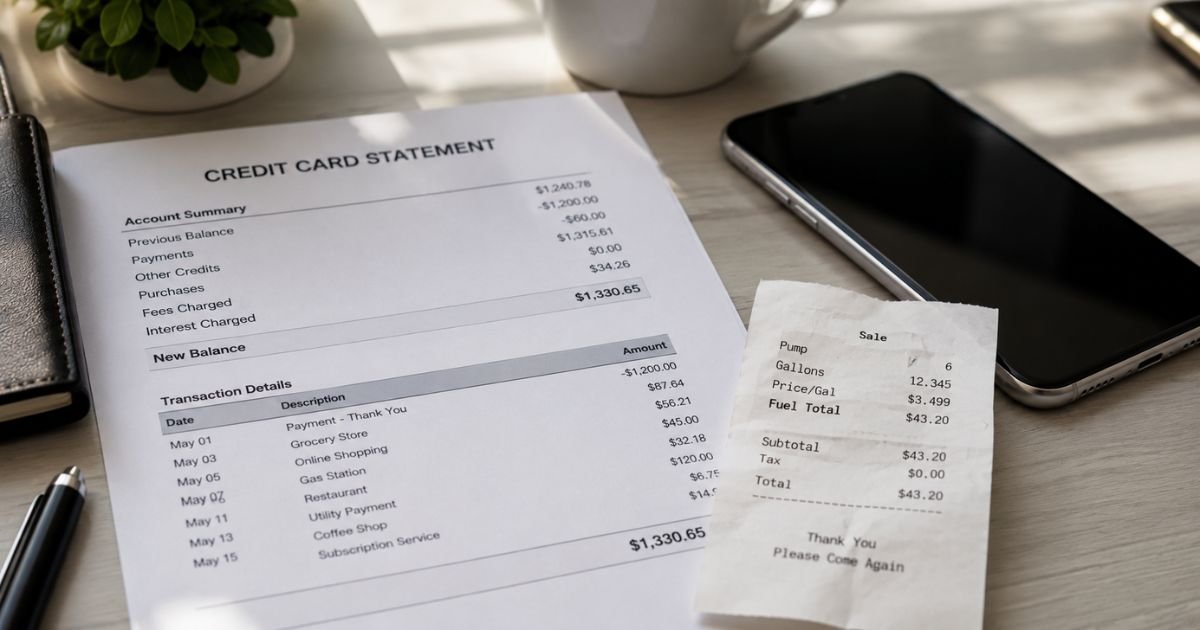
Finding an unfamiliar “Jean Ventures” charge on credit card statement can raise questions. You might not remember making a purchase under that name, and the merchant details often look vague.
Jean Ventures LLC is a real company based in Las Vegas, Nevada. It operates in real estate development and has ties to gasoline stations and related services.
In some cases, people also confuse the name with a similarly spelled Indian company called Join Ventures that handles gift and flower deliveries.
This guide explains the most likely sources of the charge, how to confirm it belongs to you, and the practical steps to take if you don’t recognize it.
Quick Answer
A Jean Ventures charge on credit card most often comes from Jean Ventures LLC, a Las Vegas company involved in real estate and gasoline stations. It may relate to a fuel purchase or service near Jean, Nevada.
If the wording looks closer to “Join Ventures,” it could be from an online gift or flower order. Check your recent receipts and contact the merchant or your bank to verify.
What Is Jean Ventures LLC?
Jean Ventures LLC is a privately held company headquartered in Las Vegas, Nevada. Business records list it in real estate development and gasoline stations.
The company has historical ties to the property that once housed the Gold Strike Hotel and Gambling Hall (later Terrible’s) in Jean, Nevada, a small town about 30 miles south of Las Vegas near the California border.
Members of the Herbst family, known for Terrible Herbst convenience stores and gas stations, have been associated with the entity.
Because of this background, a Jean Ventures charge can appear when someone buys fuel, uses related services, or makes a transaction linked to properties or stations connected to the company.
Possible Reasons for the Charge
Here are the most common explanations:
- A gas or diesel purchase at a station linked to the company or its affiliates in the Las Vegas or Jean, Nevada area.
- A related service fee or convenience-store purchase processed under the Jean Ventures merchant name.
- An older transaction that is only now posting or appearing on a statement.
- In rarer cases of name similarity, a charge from Join Ventures (an Indian D2C company behind gift platforms such as IGP, Interflora, and Masqa). If you ordered flowers or gifts for delivery, the statement may show a version of that name.
Merchant names on statements are often abbreviated or use the legal entity name rather than a consumer-facing brand, which is why the charge can look unfamiliar.
How to Confirm the Source of the Charge
Follow these steps:
- Look at the full descriptor on your statement. Note the exact spelling, any phone number, city, or state code (often CA, NV, or a phone number).
- Search your email and text messages for receipts around the transaction date. Look for gas stations, truck stops, or online gift/flower orders.
- Log into your bank or credit-card app and open the transaction details. Some issuers show a merchant phone number or partial address.
- Compare the amount and date with any recent fuel receipts or online orders.
- If it still doesn’t match, call the phone number listed on the statement (if one appears) or contact your card issuer’s fraud department.
What to Do If You Don’t Recognize the Charge
Act quickly:
- Contact your bank or credit-card company and report the charge as unrecognized. Most issuers will open an investigation and may issue a temporary credit.
- Ask the issuer for any additional merchant details they have.
- Change passwords on any accounts that store the card, and consider freezing the card if you suspect broader fraud.
- If the charge turns out to be legitimate but unwanted (for example, a recurring service), request cancellation directly from the merchant.
- Keep records of every call, including dates, names, and reference numbers.
Federal law generally limits your liability for unauthorized credit-card charges to $50 if you report them promptly, and many issuers offer $0 liability policies.
Common Mistakes to Avoid
- Waiting too long to dispute. Most banks give you 60 days from the statement date.
- Assuming every unfamiliar name is fraud. Many legitimate businesses use legal entity names that don’t match their storefront brands.
- Ignoring small charges. Test transactions or low-amount purchases can signal card testing by fraudsters.
- Only checking one email account. Receipts sometimes go to secondary addresses.
Tips to Prevent Future Surprises
- Review statements weekly or turn on real-time transaction alerts.
- Use a dedicated card or virtual card number for gas stations and online orders.
- Keep physical or digital receipts for fuel and online purchases for at least 60 days.
- Periodically check which merchants have your card on file and remove unused ones.
FAQs About Jean Ventures Charge on Credit Card
Q: Is a Jean Ventures charge a scam?
Not necessarily. Jean Ventures LLC is a legitimate Nevada company. However, any charge you do not recognize should be investigated with your bank right away.
Q: Could it be from a gas station?
Yes. Business records connect Jean Ventures LLC to gasoline stations, and the company has history with properties in Jean, Nevada. A fuel purchase is one of the more common explanations.
Q: What if the name looks like “Join Ventures”?
Join Ventures is a separate Indian company that operates gift and flower delivery brands (IGP, Interflora, Masqa). If you recently ordered gifts or flowers, that may be the source.
Q: How do I dispute the charge?
Call the number on the back of your card, report the transaction as unauthorized or unrecognized, and follow the issuer’s dispute process. Provide the date, amount, and any details you have.
Conclusion
A Jean Ventures charge on credit card is most often linked to Jean Ventures LLC, a Las Vegas-based real estate and gasoline-station company, or occasionally to a similarly named gifting platform.
By matching the date and amount to your own records and contacting your bank if needed, you can resolve the question quickly. Staying proactive with statement reviews helps you catch unfamiliar charges early and keep your accounts secure.
Disclaimer: This article is for informational purposes only and does not constitute financial, legal, or professional advice. Always verify charges directly with your bank or the merchant. Company activities and billing descriptors can change.


