
American Strategies Charge on Credit Card [Identified]

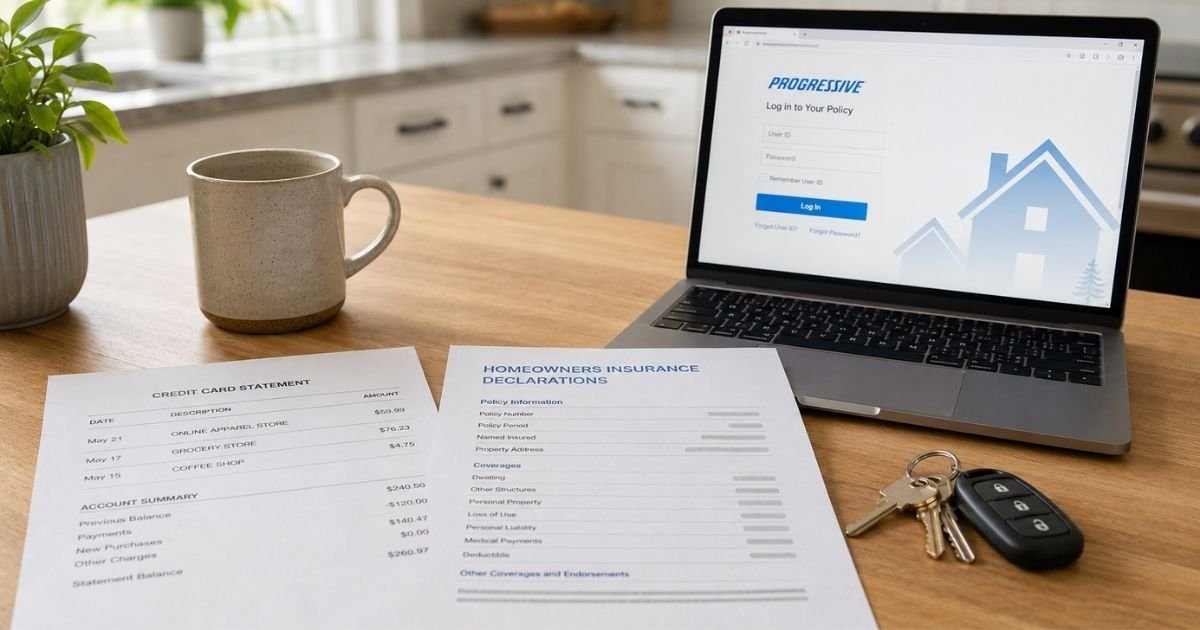
An American Strategies charge on credit card can look official and still feel unfamiliar. The name sounds like a consulting firm, not a bill you meant to pay. In many cases it is a shortened insurance name, not a mystery subscription.
Check the amount and date against your home or renters policy first. That one step usually tells you whether the charge is yours.
What Is an American Strategies Charge on Credit Card?
An American Strategies charge on credit card typically comes from American Strategic Insurance, often called ASI. Banks cut long names to fit a short statement line. That is why you may see AMERICAN STRATEGIES, AMERICAN STRATEGY, AMERICAN STRATEG, or AMERICAN STRATEGIC INS.
ASI writes property insurance. That generally includes homeowners, renters, condo, and flood coverage. The company is part of the Progressive group. If you bought home coverage through Progressive or an independent agent, ASI may be the company that bills you.
Login and policy tools now often live at Progressive.com. The older site americanstrategic.com still appears on older papers and statement research. Headquarters records list St. Petersburg, Florida.
A different company named American Strategies LLC does political consulting work. Campaigns pay that firm. That is usually not how a household credit card charge is billed. If your line also says INS, PREM, ACH, or St. Petersburg, the insurance explanation is the stronger match.
How the Name Shows Up on Statements
Issuers do not all print the same text. You may see a mix of the brand name, the word insurance, and a payment method.
Common variations include:
| Statement text | What it often means |
|---|---|
| AMERICAN STRATEGIES or AMERICAN STRATEGY | Shortened ASI billing name |
| AMERICAN STRATEGIC INS or INS PREM | Property insurance premium |
| AMERICAN STRATEG ACH or PPD | Bank draft instead of a card swipe |
| AMERICAN STRATEGY ST PETERSBURG FL | Company location on the descriptor |
ACH means the payment came from a checking account, not a card. The same company can still use both methods. Look at the exact source on your statement before you call.
Why You Might See This Charge
The most common reason is a premium payment. You or a lender may have set the policy to draft a card or bank account each month or once a year.
A mortgage company can also pay the insurer from escrow, then you repay the lender. In that case the card charge may not appear at all. If you pay the insurer directly, the ASI name typically does.
The amount can change at renewal. Home insurance prices often move after a new inspection, a coverage change, or a new rate filing. A larger charge than last year does not automatically mean fraud.
A pending amount can be an authorization hold while the insurer confirms the card. Holds generally drop or convert to the real premium after a few days. Timing may vary by issuer.
A tiny charge you never approved is a different problem. Treat that as possible card testing and call your issuer the same day.
How to Verify the Charge
Write down the full descriptor, date, amount, and whether it is pending or posted.
Search your email for “American Strategic,” “ASI,” “Progressive Home,” and “policy.” Check spam. Look for a declarations page or billing notice near that date.
Log in at Progressive.com with the policy number on any home insurance mail you still have. Compare the billed premium to the statement amount.
Ask anyone who shares the house. A spouse, roommate, or parent may have added the card to the policy.
If you have a mortgage, call the loan servicer and ask whether insurance is in escrow. That tells you who should be paying ASI.
| Clue | Likely meaning | Next step |
|---|---|---|
| Amount matches your premium | Policy payment | Keep the bill and confirm coverage is active |
| Location shows St. Petersburg, FL | Fits ASI records | Check the policy portal |
| Repeats on the same day each month | Recurring premium | Review auto-pay settings |
| No policy and no email | Possible error or fraud | Call the issuer |
What to Do If the Charge Is Yours
If the charge matches your policy, you generally do not need a dispute. Save the confirmation.
Need to change the due date or payment method? Use the Progressive or ASI account tools, or call policy billing. Independent agents can often help too.
Want to stop auto-pay? Update the payment method in the portal and ask for written confirmation. Canceling auto-pay does not cancel the policy. You still owe the premium if coverage stays in force.
If you want to drop the policy, ask how cancellation and unused premium refunds work. Rules typically vary by state and by whether a mortgage lender is listed.
What to Do If You Do Not Recognize It
Do not wait for the next statement. Call the number on the back of your card and report the charge as unrecognized.
Ask the issuer for the merchant city and category. Insurance often codes differently from a store purchase.
Then check for an ASI or Progressive Home policy in your name. Call ASI billing at 866-274-8765 with your address and date of birth if you cannot find a policy number. That number appears on state insurance company listings and many agent billing pages. Confirm it on your own policy papers when you can.
For a claim question, ASI’s claims line listed on its claims pages is 866-274-5677. That line is for losses, not for every billing puzzle.
If no policy exists, ask your issuer to dispute the charge and watch for more activity. You can also report possible fraud at ReportFraud.ftc.gov.
How to Handle Recurring American Strategies Charges
A repeating American Strategies charge on credit card is typically auto-pay for the same policy. Look at three or four statements. Same amount and same week of the month usually means a scheduled premium.
Log in and turn off card auto-pay if you want to pay another way. Ask the insurer to confirm the next draft date.
Replacing the card may not stop the bill. Card networks often send the new number to merchants you already authorized. Cancel auto-pay with the insurer, not only with the bank.
If you already canceled coverage and a new charge posted, keep the cancellation letter. Send it to the insurer and to your issuer. A bill after cancellation can be a billing error.
How to Dispute the Charge
U.S. credit cards generally fall under the Fair Credit Billing Act for billing errors and unauthorized use. You typically have 60 days from the statement date to dispute in the way your issuer requires. Confirm the deadline with the bank.
Call or use the app first. Follow with written notice if they ask. Include your name, account number, the amount, and why you do not recognize the charge.
Your issuer may post a temporary credit while it investigates. That credit can stay or come off later. Do not spend money you may have to return.
If the insurer already refunded you, tell the bank. Two credits for one premium can create a new debit.
For a true policy bill you simply dislike, a dispute may fail. Premium disagreements are often handled with the insurer or your state insurance department, not as card fraud.
Ways to Avoid a Surprise Next Month
Turn on card alerts for every transaction. A text makes an American Strategies charge on credit card hard to miss.
Keep home insurance papers in one folder or email label. Renewal packets explain amount changes.
Review auto-pay once a year before the renewal date. That is when premiums often jump.
Do not give a card number on a random call about your “lapsed policy.” Hang up and call the number on your declarations page.
If you shop for new coverage, confirm the underwriter name. Progressive-branded home policies are often written by ASI or a related company. Knowing that name now saves confusion later.
FAQs About American Strategies Charge on Credit Card
Q: What is an American Strategies charge on my credit card?
It is typically a premium payment to American Strategic Insurance, a Progressive-related property insurer. Statement text is often shortened to American Strategies or American Strategy. Match the date and amount to your homeowners, renters, condo, or flood policy.
Q: Why does the name not say Progressive or ASI?
Card networks limit how many characters a merchant can print. American Strategic Insurance gets cut down. You may also see INS, PREM, ACH, or St. Petersburg. Those extra words help confirm it is insurance billing.
Q: How do I stop an American Strategies charge?
Log in to the policy account or call ASI billing and turn off card auto-pay. Ask for written confirmation. Stopping the card draft does not always end the policy. If you also want coverage canceled, say that clearly and follow the insurer’s process.
Q: Is an American Strategies charge a scam?
Not by default. ASI is a real insurer, and many households pay it every month or year. A charge that matches your policy is generally legitimate. A charge with no policy, no email, and no household purchase should be treated as unauthorized until proven otherwise.
Conclusion
An American Strategies charge on credit card is usually American Strategic Insurance collecting a property premium. Compare the amount with your policy and Progressive or ASI account. If it matches, manage auto-pay or renewal through the insurer. If it does not, call your card issuer, then the billing number on your policy papers.
You do not need to decode every shortened word on the statement. A policy number and a matching dollar amount are enough to know what to do next.
Disclaimer: This article is for general information only. It is not financial, legal, insurance, or tax advice. Company names, phone numbers, premiums, and dispute rules may change and may vary by state and issuer. Verify billing questions with American Strategic Insurance or Progressive and with the bank that issued your card.


