
Headway Charge on Credit Card [Identified]

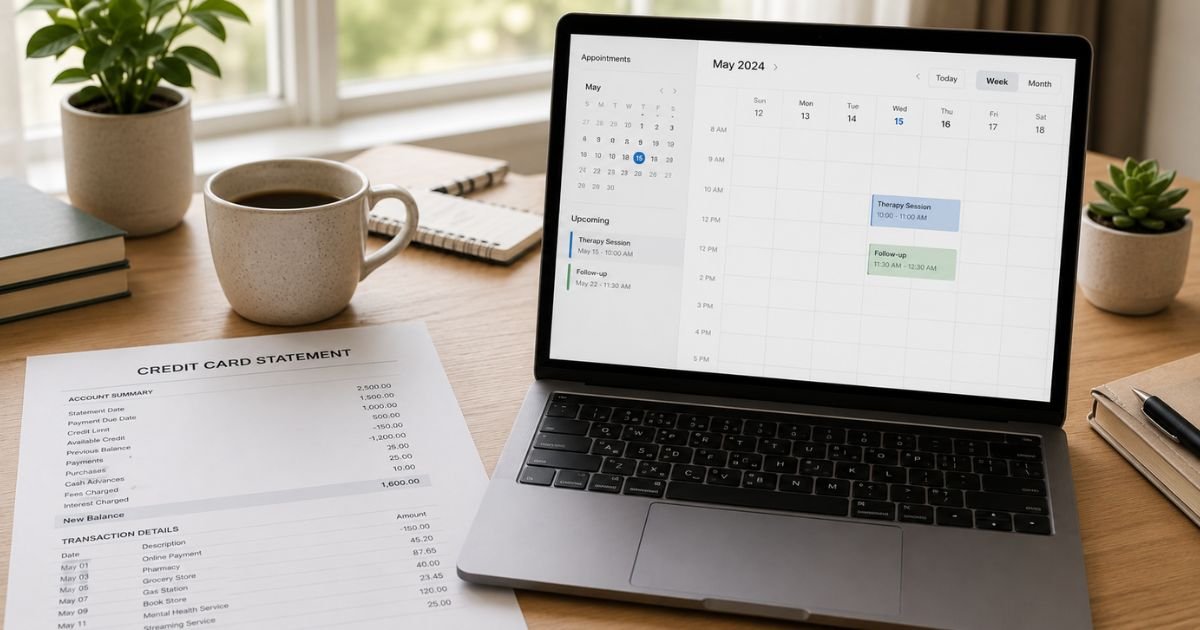
You check your credit card statement and spot a charge labeled “Headway.” It might be a small amount like $1 or a larger session fee. You may not remember booking therapy or signing up for anything under that name.
Headway is a legitimate company, but the way it bills can create confusion. Temporary holds, post-session charges, and insurance adjustments all appear under the same simple descriptor.
This guide explains the two main sources of Headway charges, why they show up, and the exact steps to confirm, stop, or dispute them.
Quick Answer
A Headway charge on credit card is almost always related to mental health therapy sessions booked through Headway.co. A $1 temporary hold often appears a few days before a session and is later canceled.
Actual charges for your copay or patient responsibility post after the session. If you don’t recognize it, log into your Headway account or contact support and your card issuer right away.
What Is Headway?
Headway (headway.co) is a large U.S. platform that connects people with licensed therapists and handles insurance billing. Patients use it to find in-network providers, book sessions, and pay their portion of the cost. Headway processes the payments and appears as the merchant on credit and debit card statements.
There is also a separate product called the Headway App (makeheadway.com). That is a book-summary and micro-learning subscription service. It can generate recurring charges, but the mental health platform is the far more common source of unexpected or confusing “Headway” charges.
Why You See a Headway Charge
Here are the most frequent reasons a Headway charge appears:
- Temporary $1 hold – About 72 hours before a scheduled session, Headway places a $1 authorization hold to confirm your payment method has available funds. This shows up on your statement as “Headway.” It is not a real charge and is canceled before the session is billed.
- Session payment – After your therapist confirms the session in the Headway system, the platform charges your card for the estimated amount you owe (copay, coinsurance, deductible portion, or full cash-pay rate).
- Cancellation or no-show fee – If you miss a session without enough notice, Headway may charge a fee according to the provider’s policy.
- Insurance adjustment – Sometimes insurance pays a different amount than estimated. Headway may later issue a small additional charge or a refund labeled as a “session cost correction.”
- Headway App subscription – If you signed up for the book-summary app, you will see recurring monthly or annual charges processed through Apple, Google, or the company’s payment system.
How to Verify the Charge
Take these steps in order:
- Log into your account at care.headway.co or headway.co.
- Go to the Billing or Appointments section. Look for recent sessions, holds, or invoices.
- Check your email (including spam) for messages from Headway with subject lines about sessions, invoices, or payment confirmations.
- Compare the date and amount on your statement with any appointments you attended or canceled.
- If nothing matches, search your email and app store subscriptions for “Headway” or “makeheadway” to rule out the book-summary app.
Most people find the charge lines up with a recent therapy session or a temporary hold that later disappears.
How to Manage or Stop Headway Charges
For mental health sessions (headway.co):
- Update or remove payment methods in your Headway Billing page.
- You can revoke authorization by contacting Headway support (details are in their payment terms).
- In some states (such as Connecticut) you can pay via one-time links instead of storing a card.
- Cancel future sessions or switch providers through the platform if you no longer want to use the service.
For the Headway App (makeheadway.com):
- Cancel through your Apple ID subscriptions or Google Play subscriptions.
- Deleting the app does not cancel the subscription. You must cancel it in the store settings.
Always request written confirmation when you cancel or remove a payment method.
What to Do If the Charge Looks Wrong
If you never booked a session, never signed up for the app, or the amount seems incorrect:
- Contact Headway support through your account or the help center and ask for a full explanation of the charge.
- Call the number on the back of your credit card the same day. Report the charge and start a dispute if needed.
- Ask your issuer to block future charges from the merchant while the investigation is open.
- Save screenshots of the statement, emails, and any support replies.
Banks usually investigate these claims and can reverse unauthorized or incorrect charges.
Tips to Avoid Confusion in the Future
- Turn on real-time transaction alerts in your banking app.
- Review your Headway appointment confirmations and estimated costs before each session.
- Keep a simple list of cards linked to health or subscription services.
- Use a virtual card number with a low limit for new online services when possible.
- Check statements weekly so temporary holds and session charges don’t surprise you later.
FAQs About Headway Charge on Credit Card
Q: Is a $1 Headway charge real?
No. It is almost always a temporary authorization hold placed before a session. Headway cancels it before charging the actual session amount. Most banks clear the hold within a few days.
Q: Why was I charged more than my expected copay?
Headway estimates your cost based on available insurance information. After the claim is processed, the final amount can be higher or lower. You may see a follow-up charge or refund labeled as a cost correction.
Q: Can I stop Headway from storing my card?
Yes. Log into your Billing page and remove the payment method if more than one is on file, or contact Headway to revoke authorization. Some states require at least one payment method for active accounts.
Q: What if I see charges from both Headway and another company for the same session?
Headway is the merchant of record for sessions booked through its platform. Other descriptors usually mean the charge did not come from Headway’s payment system. Contact your card issuer for clarification.
Conclusion
A Headway charge on credit card is most often tied to mental health therapy sessions or a temporary verification hold. Check your Headway account and emails first, most charges match a recent appointment or a $1 hold that later disappears.
If the charge is completely unfamiliar, contact Headway support and your card issuer the same day. Reviewing statements regularly and understanding how temporary holds work will keep these charges from catching you off guard in the future.
Disclaimer: This article is for general informational purposes only and does not constitute financial, medical, or legal advice. Billing practices and policies can change. Always verify details directly with Headway and your credit card issuer.


