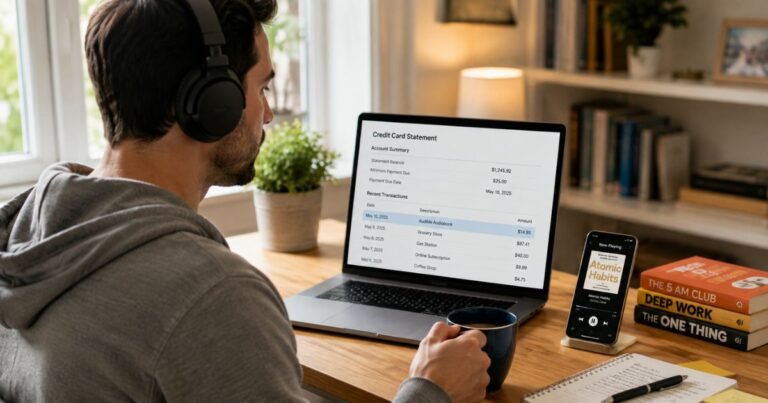
Forever Cardio Charge on Credit Card [Identified]


A Forever Cardio charge on credit card can feel like it came from nowhere. The name sounds like a gym. You may not remember joining one.
Start with the date and amount. Then search your email and apps. This line is often a recurring membership, not a one-time class.
What Is the Forever Cardio Charge on Credit Card?
A Forever Cardio charge on credit card is a merchant descriptor. That is the short name your issuer prints next to a purchase or a renewal.
Public records point to an online fitness-style billing name, not a big national gym chain.
The Better Business Bureau lists a Forever Cardio profile in the fitness-center category in Los Angeles, California. The file opened in December 2023. The business is not BBB accredited. BBB shows a small set of complaints about unexpected card charges. That is a complaint record, not a court finding.
People also report close names such as Forever Cardio Loc Santa Monica, FOREVERCARDIO.COM, Classic Cardio, and Quick Cardio. Those labels may belong to the same kind of offer or a related processor. Do not assume they are the same company until your receipt matches.
A site using the forever-cardio.com name has been tied in domain records to LLSC Online Services, Inc. Ownership details on that domain are hidden. Treat that as a lead, not a full company file. Confirm anything against your own email.
This is not Forever Living’s CardioHealth supplement. It is not Forever.com photo storage. It is not a Forever 21 store card. Those brands use different statement names.
Why You May See This Charge
You typically see it after an online trial, ad, contest page, or “cheap workout” checkout.
BBB complaints describe a common pattern. A $1 charge posts first. Then $24.99. Then $59.99. Other people report $49.99 each month. Amounts may vary. Your statement is the only number that counts.
Some cardholders say they entered a card to claim a prize or watch a streaming offer. Later the line said Forever Cardio. One BBB complaint describes a page that looked like a local shop contest. The pending charge revealed a different merchant.
Someone in your household may have used a saved wallet. Shared phones make this easy to miss.
Unauthorized use is possible. The more common story in public complaints is a trial or upsell that turned into a monthly bill. Check your inbox before you assume theft.
How the Name May Appear
Banks shorten text. You may see a city or a .com tag.
| Statement text you might see | What it often means | First step |
|---|---|---|
| FOREVER CARDIO | Recurring fitness-style membership | Search email for that exact phrase |
| FOREVER CARDIO LOC SANTA MONICA | Same descriptor plus a location tag | Match date to a trial or ad |
| FOREVERCARDIO.COM | Website-style billing name | Check spam for a welcome note |
| CLASSIC CARDIO / QUICK CARDIO | Similar offer names reported by users | Compare amounts and dates |
Do not call a number that appears only on the statement until you confirm it through your issuer or an order email.
How to Verify the Charge
Write down the date, amount, and full descriptor.
Search every inbox for Forever Cardio, Cardio, Santa Monica, membership, trial, and the dollar amount. Check spam and promotions.
Open Apple, Google, PayPal, and Amazon subscription lists. Look at any fitness or “gaming workout” app you installed in the last 90 days.
Think about ads, giveaways, and streaming pop-ups from the same week as the first small charge. A $1 line is often a card check before a larger bill.
Call the number on the back of your card if you still cannot match it. Ask for the merchant city, phone, or URL on file. Policies may vary by issuer.
How to Stop Future Forever Cardio Charges
Cancel in writing when you can. Use the account link in any welcome email, not a random search-ad number.
Ask for three things: cancel the membership, stop future billing, and send written confirmation. Save the email.
If you cannot log in, tell your issuer you want the merchant blocked. That tool is not available at every bank.
A new card number generally stops stored credentials. Update your other automatic bills first.
Deleting the app does not always stop billing. Recurring charges live with the merchant or the app store, not on your home screen.
Do not count on a full refund. Some consumers say the seller refunded little or nothing and told them they should have noticed sooner. That is their experience, not a rule for your account.
How to Dispute a Forever Cardio Charge on Credit Card
File a dispute if you did not authorize the membership, or if you canceled and the bills continued.
Have dates, amounts, emails, and cancel notes ready. Credit cards generally give you stronger dispute rights than debit cards.
Dispute each new posting. One case does not always cover later months.
Ask whether the issuer can stop recurring billing from that merchant. Results may vary by issuer.
You can file reports with the FTC at ReportFraud.ftc.gov and with the BBB. Those reports help investigators. They do not replace a bank dispute.
Keep copies. If the next bill uses Classic Cardio or another close name, you will need that paper trail.
How These Fitness-Offer Bills Usually Work
The hook is often a low price, a free trial, or a prize page.
Checkout may include membership language in small type. Many people say they never saw it. Some say they were told the charge was for something else, such as shipping or a stream.
After a small test charge, a larger monthly fee typically posts. People most often report $49.99 or $59.99. Confirm the number on your own bill.
You may receive no workout videos, no gym access, and no package. Getting nothing does not prove the processor invented the name. It does give you a reason to cancel and dispute quickly.
How to Avoid Another Surprise Bill
Turn on real-time card alerts. A $1 ping is a warning, not spare change.
Use a virtual card number for trials and contest pages.
Do not enter a card to “confirm a prize” unless you trust the URL.
Read every checkbox for trial, membership, and the first paid date.
Review subscriptions once a month. Search statements for Cardio, Forever, Classic, and Quick.
FAQs About Forever Cardio Charge on Credit Card
Q: Is a Forever Cardio charge on credit card a scam?
It is often a real card charge tied to an online fitness-style membership or trial. BBB complaints describe unauthorized-feeling $1, $24.99, and $59.99 bills and hard-to-reach support. The company is not a well-known gym brand with a clear public storefront. Verify your own emails, then cancel and dispute what you did not want.
Q: Why did I get $1 and then a much larger Forever Cardio bill?
Many online offers run a small card check first. A paid plan can follow days later if no one cancels. People have reported $24.99, $49.99, and $59.99 after that $1 line. Match both dates in your inbox and app-store subscriptions.
Q: How do I cancel so the charge stops?
Use any login or cancel link from the original email. Ask in writing to end the membership and stop all future charges. If you get no reply, dispute the bill with your issuer and request a new card number. Keep screenshots. Steps may vary by issuer and by seller.
Q: Can I get months of Forever Cardio charges refunded?
Maybe, but do not assume it. Ask the seller in writing and file a card dispute for charges you did not authorize. Some cardholders say refunds were refused or limited. Issuer rules and timing control the outcome. Act before another month posts.
Conclusion
A Forever Cardio charge on credit card usually traces to an online fitness-style trial or membership, not a neighborhood gym. Match the first small charge to an ad or checkout email.
Cancel in writing, then use your issuer if bills continue. You can stop this. Work from your statement, keep records, and treat every new $50-range posting as urgent.
Disclaimer: This article is for general information only. It is not financial or legal advice. Merchant names, refund windows, and dispute rules may vary by issuer and by company. Confirm details on your own statement and with your bank or card issuer before you act.