
Deals and Discounts Charge on Credit Card [Identified]

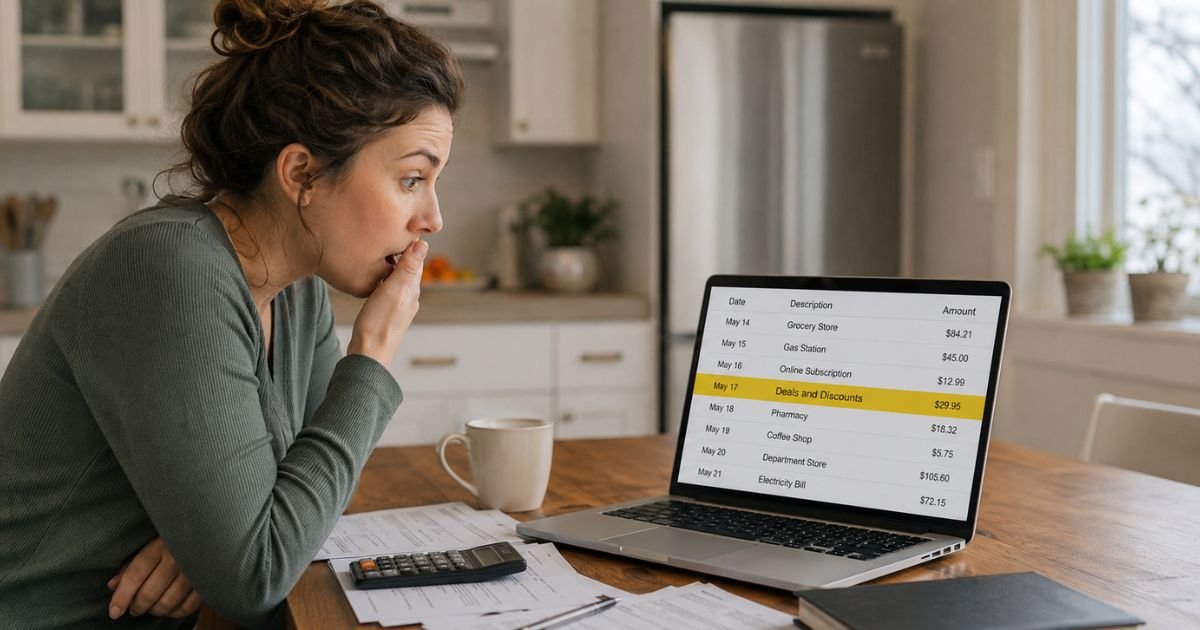
You open your credit card statement and notice a charge labeled “Deals and Discounts,” “Discounts-togo,” “Get Those Discounts,” or something similar.
You don’t remember signing up for any membership, and the amount (often around $19.97) keeps showing up every month.
You’re not alone. These charges are a common source of confusion and frustration.
This article explains exactly what a deals and discounts charge on your credit card usually means, why it keeps recurring, and the clear steps you can take today to cancel it, get a refund if possible, and prevent it from happening again.
Quick Answer
A deals and discounts charge on credit card is almost always a recurring membership fee from a discount club, coupon service, or “deals” website.
These services often start with a free trial or low-cost offer that automatically converts to a paid monthly subscription unless you cancel.
If the charge is unexpected, it is frequently the result of unclear terms or a forgotten signup rather than outright fraud. Contact the company and your card issuer promptly to stop future billing.
What Is a Deals and Discounts Charge on Credit Card?
These charges come from companies that sell memberships to online discount clubs, coupon platforms, or “deals and savings” programs. They promise exclusive discounts on shopping, travel, entertainment, or services.
On your statement the billing descriptor often appears as:
- Deals and Discounts
- Discounts-togo or 0104Discounts-togo
- Get Those Discounts
- USA Discount Club
- Or similar variations
The typical amount is $19.97 or another low monthly fee. These are rarely one-time purchases. They are almost always auto-renewing subscriptions.
Why Do These Charges Keep Appearing?
Most people end up with these charges because of how the companies market themselves:
- You signed up for a free trial or “$1 for 30 days” offer while shopping online.
- A pre-checked box enrolled you in a discount club during another purchase.
- You entered your card for a free report, coupon pack, or savings kit and the trial converted without clear notice.
- A family member or shared computer used your card details.
Consumer complaints (including bank statements showing “DISCOUNTS-TOGO $19.97”) show that many people only discover the charge months later. The companies rely on customers forgetting to cancel before the trial ends.
Is This Charge Legitimate or a Scam?
These are usually real companies offering a real (if low-value) membership. They are not always outright scams. However, they have a long history of using negative option billing and hard-to-cancel practices.
In past years, major discount club operators paid multi-million-dollar settlements for misleading consumers into paid memberships. Today the pattern continues with smaller operators charging monthly fees for services many members never use.
If you never signed up and do not recognize the charge at all, treat it as unauthorized and dispute it immediately.
How to Identify the Exact Company Behind the Charge
- Look at the full transaction description on your statement or banking app. It often includes a phone number or partial website.
- Google the exact descriptor plus “cancel” or “charge.”
- Search your email (including spam and trash) for any confirmation or welcome message around the date of the first charge.
- Check recent online purchases where you may have entered a card for a free offer.
Common support paths for these services involve calling a phone number listed on the statement or visiting the company website and looking for an account or cancellation page.
How to Cancel a Deals and Discounts Subscription
- Locate the company website or phone number from the charge description.
- Log into any account you may have created, or create one using the email tied to the charge.
- Go to Account Settings, Membership, Billing, or Subscription and cancel auto-renewal.
- Call the customer service number (if available) and request immediate cancellation plus written confirmation by email.
- Ask for a refund of the most recent charge(s) while you are on the phone or chat. Many agents will issue a goodwill refund, especially for first-time issues.
- Save every confirmation email and note the date, time, and agent name.
- If you cannot reach the company, move straight to disputing with your credit card issuer.
How to Dispute the Charge with Your Credit Card Company
If the company will not cancel or refund you, or if the charge was never authorized:
- Log into your credit card account and open a dispute for the transaction.
- Select “recurring billing not authorized,” “services not as described,” or “unauthorized transaction.”
- Provide any evidence you have (no confirmation email, cancellation attempts, etc.).
- Most issuers give provisional credit while they investigate.
- You usually have 60–120 days from the statement date to dispute, so act quickly.
You can also request that your bank block all future charges from that merchant name.
Tips to Avoid Surprise Discount Club Charges
- Never enter your real credit card for free trials. Use a virtual card number that you can freeze or delete.
- Uncheck any pre-selected boxes for “membership,” “club,” or “deals” during checkout.
- Set a phone calendar reminder for the exact end date of every free trial.
- Review your credit card transactions every few days, especially after shopping online.
- Keep a simple note in your password manager of every new signup that uses your card.
- Consider using a dedicated low-limit card only for trials and subscriptions.
FAQs About Deals and Discounts Charge on Credit Card
Q: Is a deals and discounts charge on my credit card a scam?
It is usually a real subscription service rather than pure fraud. The main issue is that the enrollment process is often unclear, leading many people to pay for a membership they never wanted or used.
Q: How much do these discount club memberships usually cost?
Common recurring amounts are $19.97 per month, though some charge different monthly or annual fees. The first charge is sometimes lower or listed as a trial.
Q: Can I get a refund for past deals and discounts charges?
Many people successfully receive refunds by contacting customer service quickly. If that fails, dispute the charges with your credit card issuer. Success rates are higher when you act within the first one or two billing cycles.
Q: Will these charges affect my credit score?
A normal dispute process does not hurt your credit score. Only if the amount goes unpaid and is sent to collections could it become a problem. Resolve the issue promptly to avoid that risk.
Conclusion
A deals and discounts charge on credit card is almost always a recurring membership fee from a discount club or coupon service. These charges frequently start with a free or low-cost trial that converts to paid billing without clear notice.
Check the exact descriptor on your statement, cancel the subscription through the company or your bank, and dispute any unauthorized or unwanted charges right away.
Taking these steps today stops future billing and protects your finances. Going forward, treat every free trial with caution and use tools that limit exposure of your main credit cards.
Disclaimer: This article is for general informational purposes only and does not constitute legal, financial, or professional advice. Billing practices, company names, and consumer rights can vary. Always verify details directly with the merchant listed on your statement and your credit card issuer. Contact information and examples are based on publicly reported consumer experiences as of 2026 and may change. For personalized guidance, consult your bank, the Consumer Financial Protection Bureau (CFPB), or a qualified professional.